EN

EN

EN

Positioning of electric vehicle charging stations

Positioning of electric vehicle charging stations

Identify the on-street locations where a charging point will actually be used

Identify the on-street locations where a charging point will actually be used

Positioning of electric vehicle charging stations

Most of the posts are positioned without knowing the flows that pass in front of them

Which routes concentrate vehicles that stop long enough?
Which neighbourhoods combine residential density, little private parking and regular traffic flows?
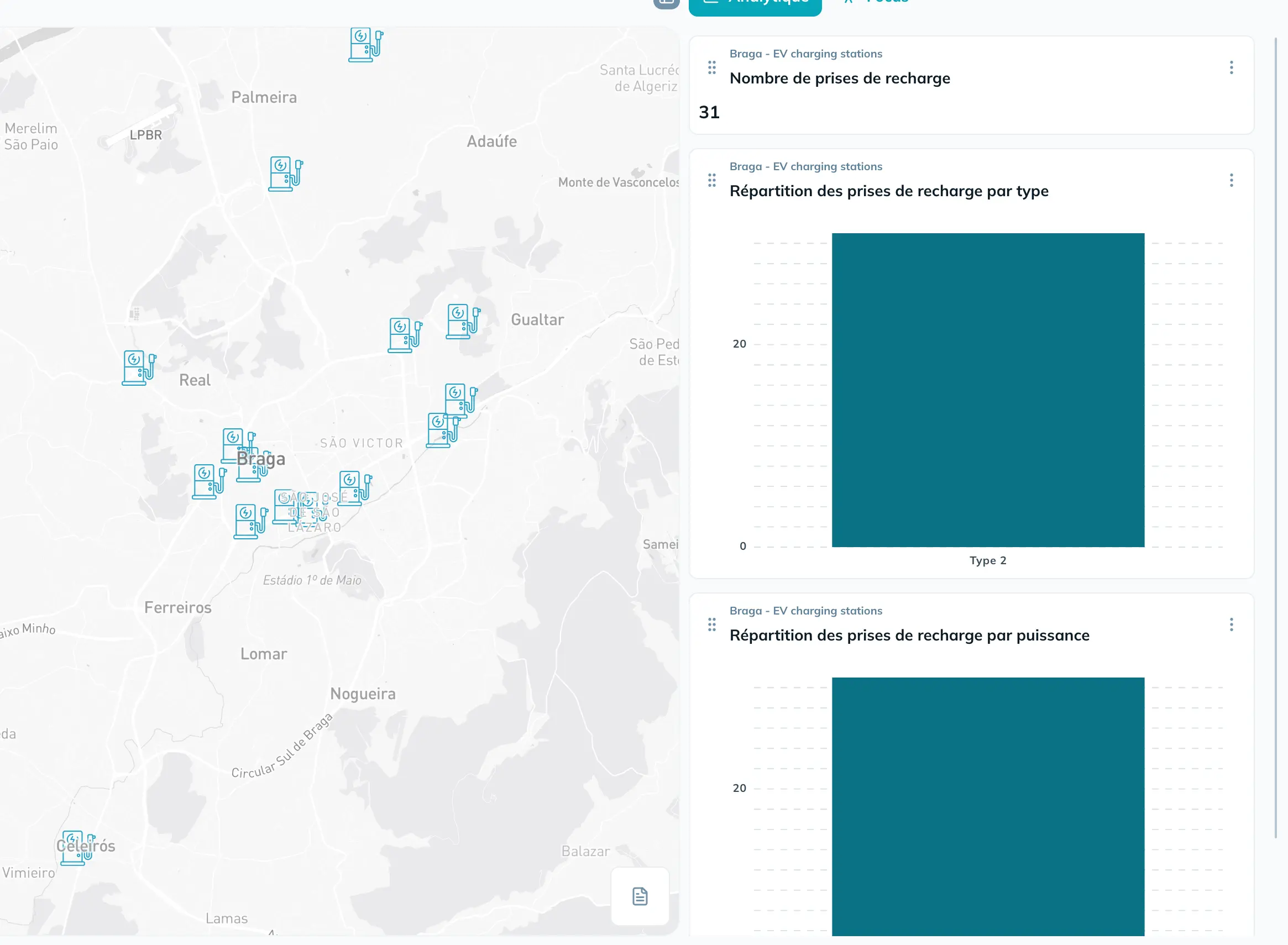
siting - electric charging points

Local authorities and charging operators are deploying charging points at an accelerated pace. But siting criteria often remain limited: availability of an electrical connection, an available parking space, uniform geographic coverage.

What is missing is real usage data. A well-sited charging point pays for itself. A poorly sited charging point stays empty.

Local authorities and charging operators are deploying charging points at an accelerated pace. But siting criteria often remain limited: availability of an electrical connection, an available parking space, uniform geographic coverage.

What is missing is real usage data. A well-sited charging point pays for itself. A poorly sited charging point stays empty.

Local authorities and charging operators are deploying charging points at an accelerated pace. But siting criteria often remain limited: availability of an electrical connection, an available parking space, uniform geographic coverage.

What is missing is real usage data. A well-sited charging point pays for itself. A poorly sited charging point stays empty.

What our data makes visible

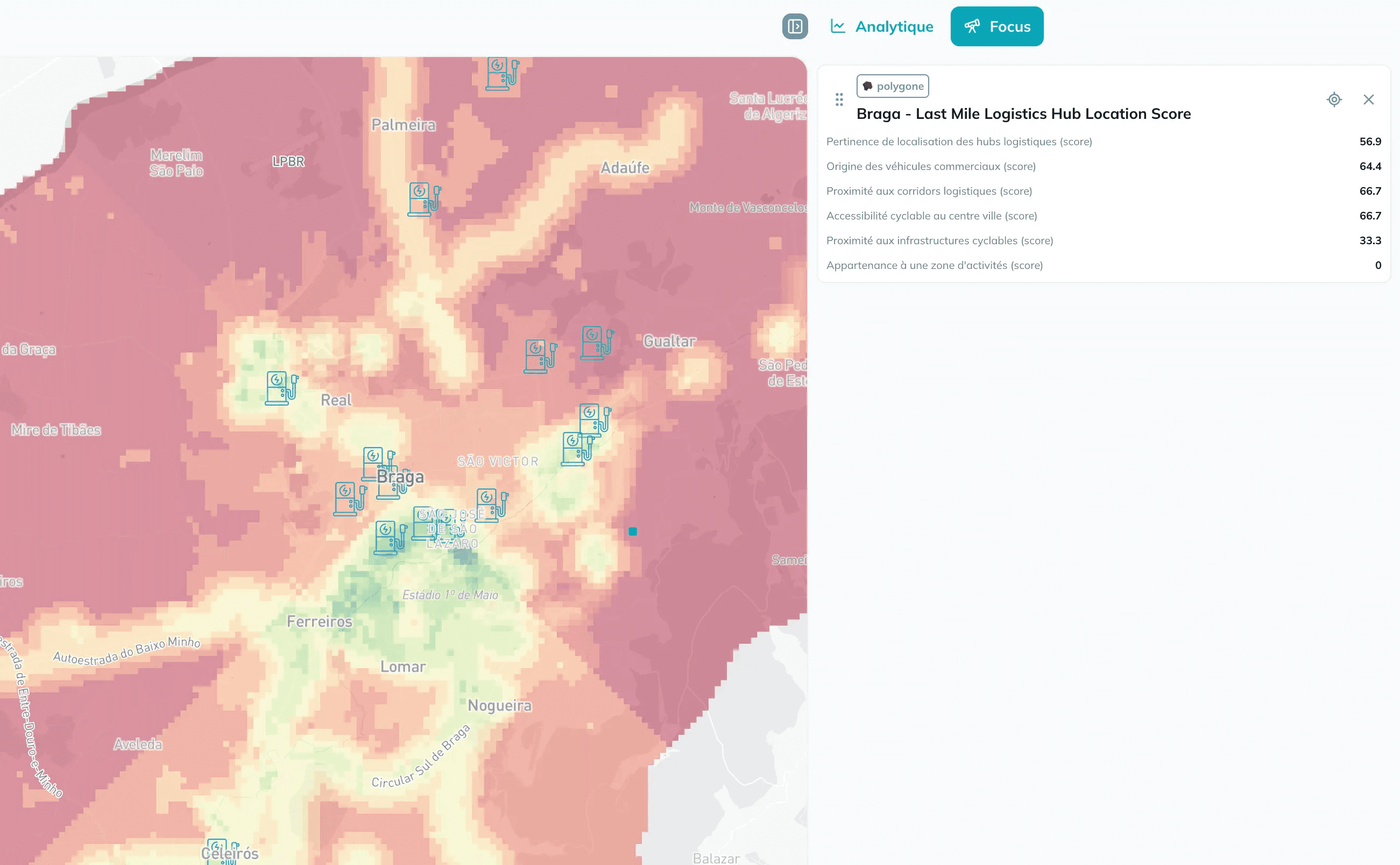
Positioning - heat map of terminals

Vehicle flows and dwell times by zone to identify high-potential locations

Vehicle flow and stop durations by area to identify
high-potential locations

Hourly traffic flow profile
to distinguish the needs for fast charging (transit) and slow charging (long-term parking)

Cross-referencing socio-demographic and housing data
to target areas where on-street charging replaces the private garage

Cross-referencing socio-demographic data
and housing data
to target areas where on-street charging replaces
the private garage

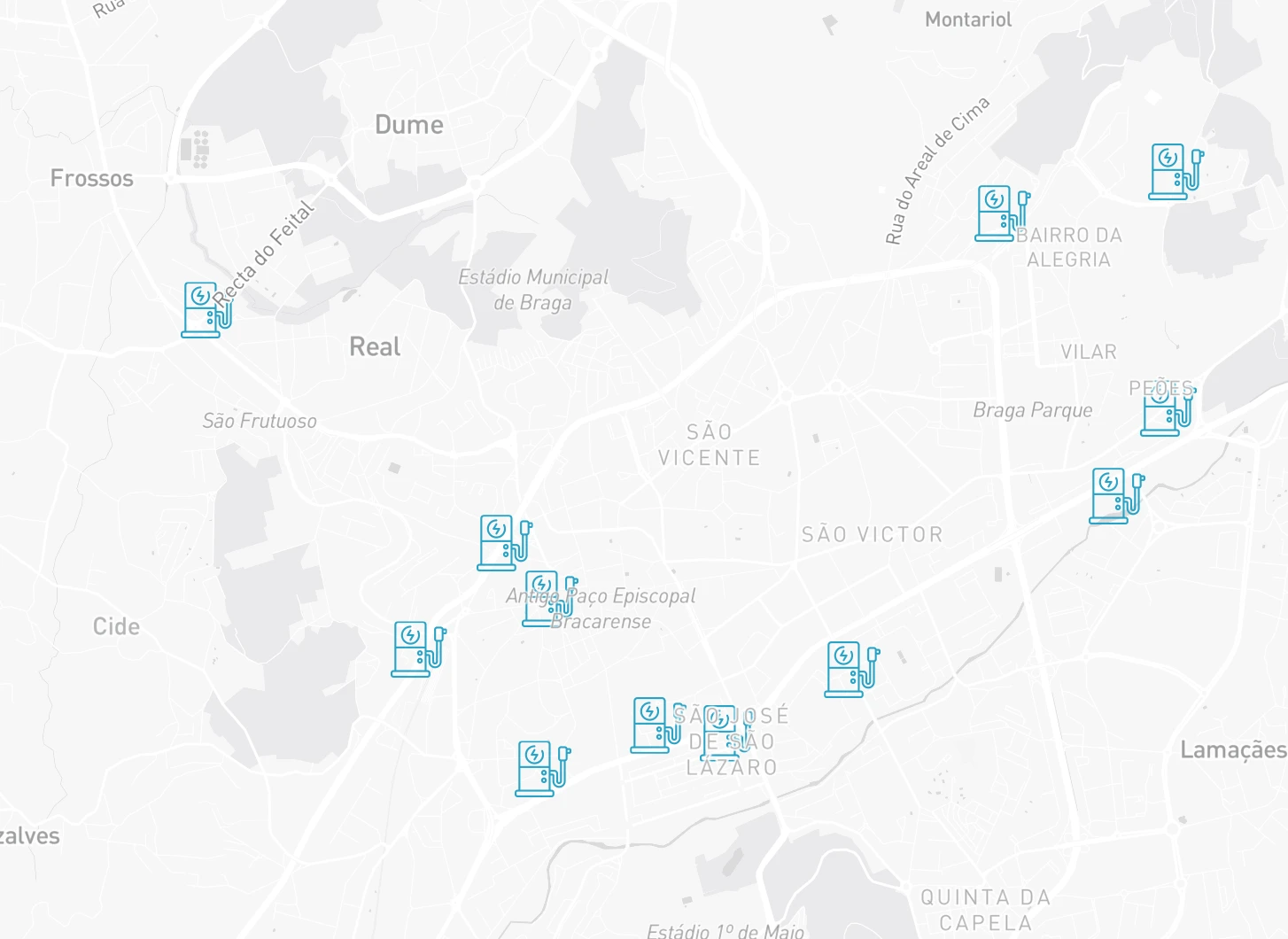
Mapping the existing offer to identify gaps

Mapping the existing offering to identify
white spaces

Actual accessibility of candidate locations via transport routes

Actual accessibility of candidate locations via traffic
routes

What you actually do with it

Prioritise the locations in your charging master plan based on measured flows

Compare the potential of several candidate sites before committing to the connection

Size the power and number of charging points according to actual stop patterns

Justify a public or private investment with verifiable attendance data

Assess the actual use of the deployed charging stations and adjust the network accordingly

Target users

Energy and electric mobility
Local authorities
Property and development
Design offices

Are you planning a roll-out of terminals?

Do you want to see what your feeds
reveal?