EN

EN

EN

A platform to contextualise your mobility data

A platform to contextualise your mobility data

A platform to contextualise your mobility data

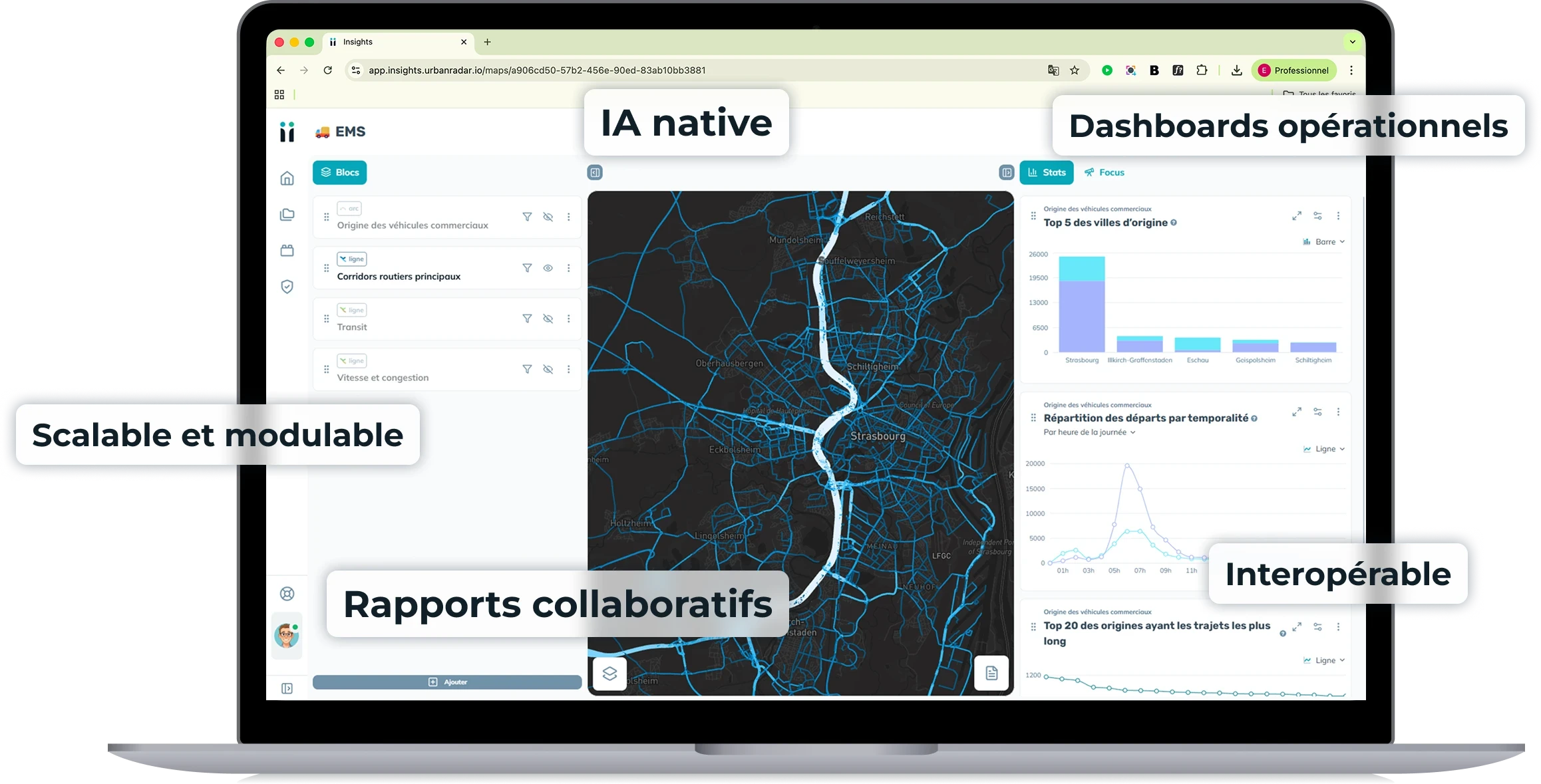
Mapping, indicators, dashboards. You explore the flows across your territory without relying on a data scientist

Mapping, indicators, dashboards. You explore the flows across your territory without relying on a data scientist

hero platform

Why the platform?

Designed for decision-makers, not for technicians

The Urban Radar platform is designed to be used directly by business teams: mobility directors, project officers, logistics managers, urban planning consultants.

The interface lets you visualise flows, cross-reference indicators, compare periods and areas, and produce map exports without writing a single query.

What is technical remains on Urban Radar's side.
What is useful comes to the user's side.

Trust and sovereignty

Data under control within a trusted framework

Urban Radar relies on an infrastructure designed to meet the demands of sovereignty, security and traceability. The data is hosted in Europe, with no transit subject to non-European jurisdictions, in order to meet the expectations of both public and private organisations. This requirement is accompanied by high security standards: encryption of data at rest and in transit, role-based access management, action logging and segregation of customer environments. Trust is not treated as an additional layer, but as a core principle of the platform's architecture.

Openness and interoperability

A platform connected to your ecosystem

The platform integrates with existing business environments without imposing a closed architecture. Data can be exported in standard formats and used via APIs with GIS tools, business dashboards or internal systems already in place. This interoperability logic makes it possible to insert Urban Radar into existing workflows, combine multiple sources and avoid disruptions in use or manual conversions. The aim is not to replace your tools, but to work alongside them naturally.

Usage-oriented modularity

Capabilities activated according to your needs

The platform is organised into modules that can be activated according to uses and requirements. Flow analysis, O/D, parking, regulations or specific indicators can be activated depending on the use case, without functional overload. This modularity makes it possible to adapt the platform to real needs rather than imposing a monolithic tool. You use the building blocks that are useful today, while retaining a scalable architecture for tomorrow.

Native intelligence and efficiency

Enriched, reliable and optimised analytics

Artificial intelligence is natively integrated into the platform to improve the quality and depth of analyses: anomaly detection, flow classification, statistical enrichment and the production of predictive indicators. This intelligence is accompanied by an efficient and resilient approach: each process is optimised to limit the use of computing resources and maximise the robustness of the results. AI is not conceived as a demonstrative overlay, but as a production tool in the service of reliability and performance.

STRUCTURE

Visualise

EXPLORE

Measure

Structure

Structuring territorial data

Identify the key variables, select the relevant sources and build a reliable, actionable foundation

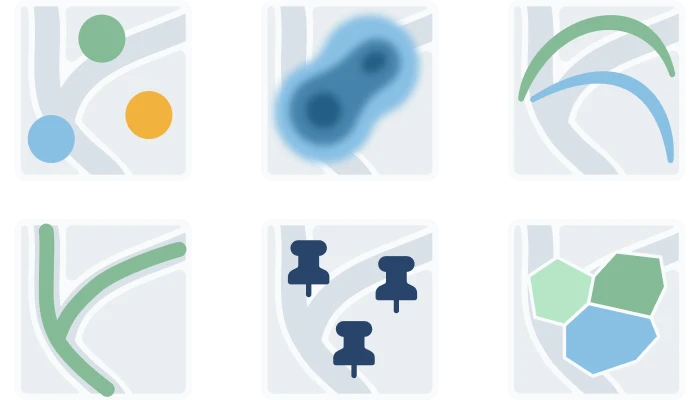
line

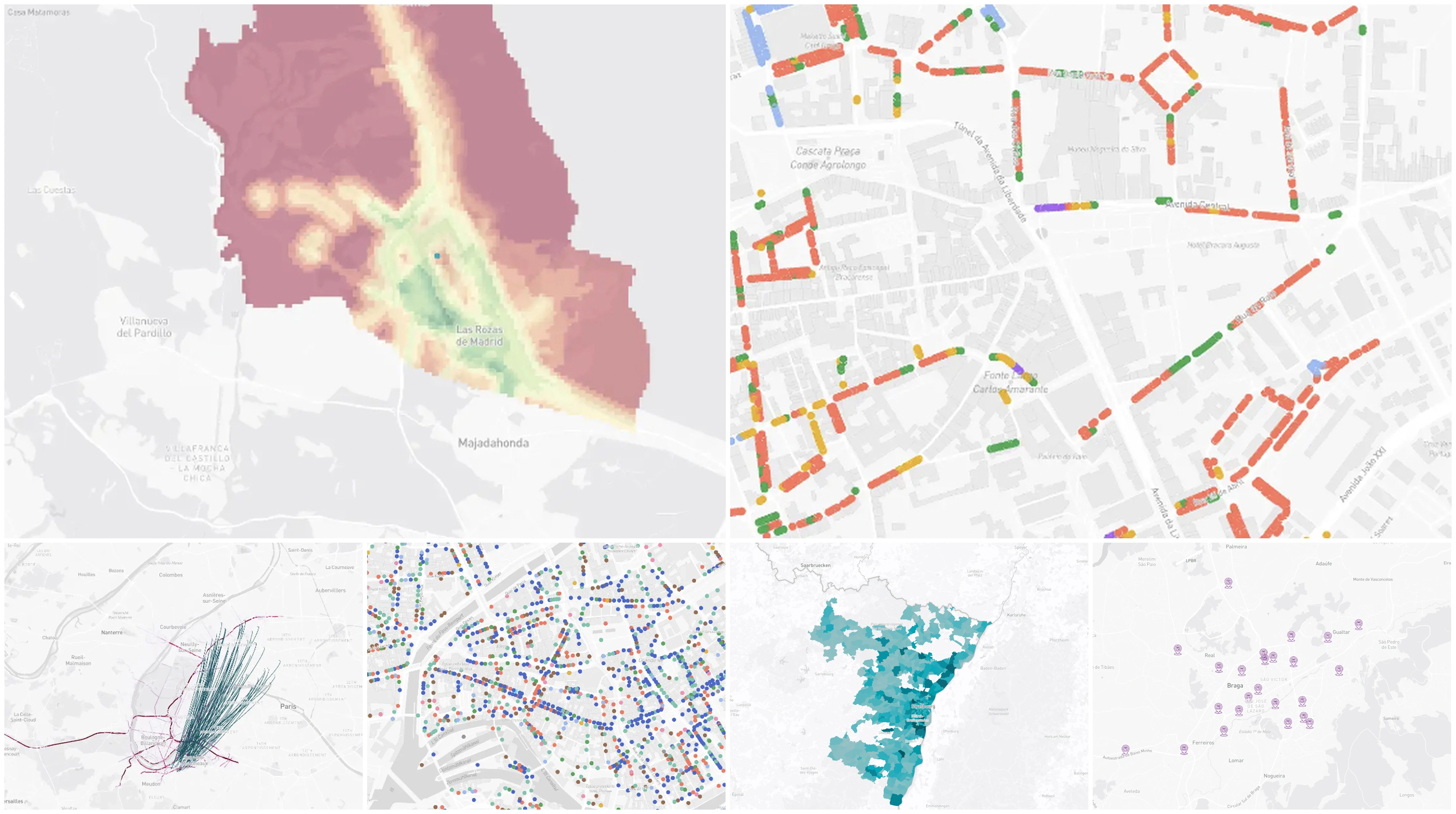
heatmap

point

bow

Organise data from multiple sources

Set up suitable analysis layers

Cross-reference flows and business metrics

Structure

View

EXPLORE

Measure

Structure

Structuring territorial data

Identify the key variables, select the relevant sources and build a reliable, usable foundation

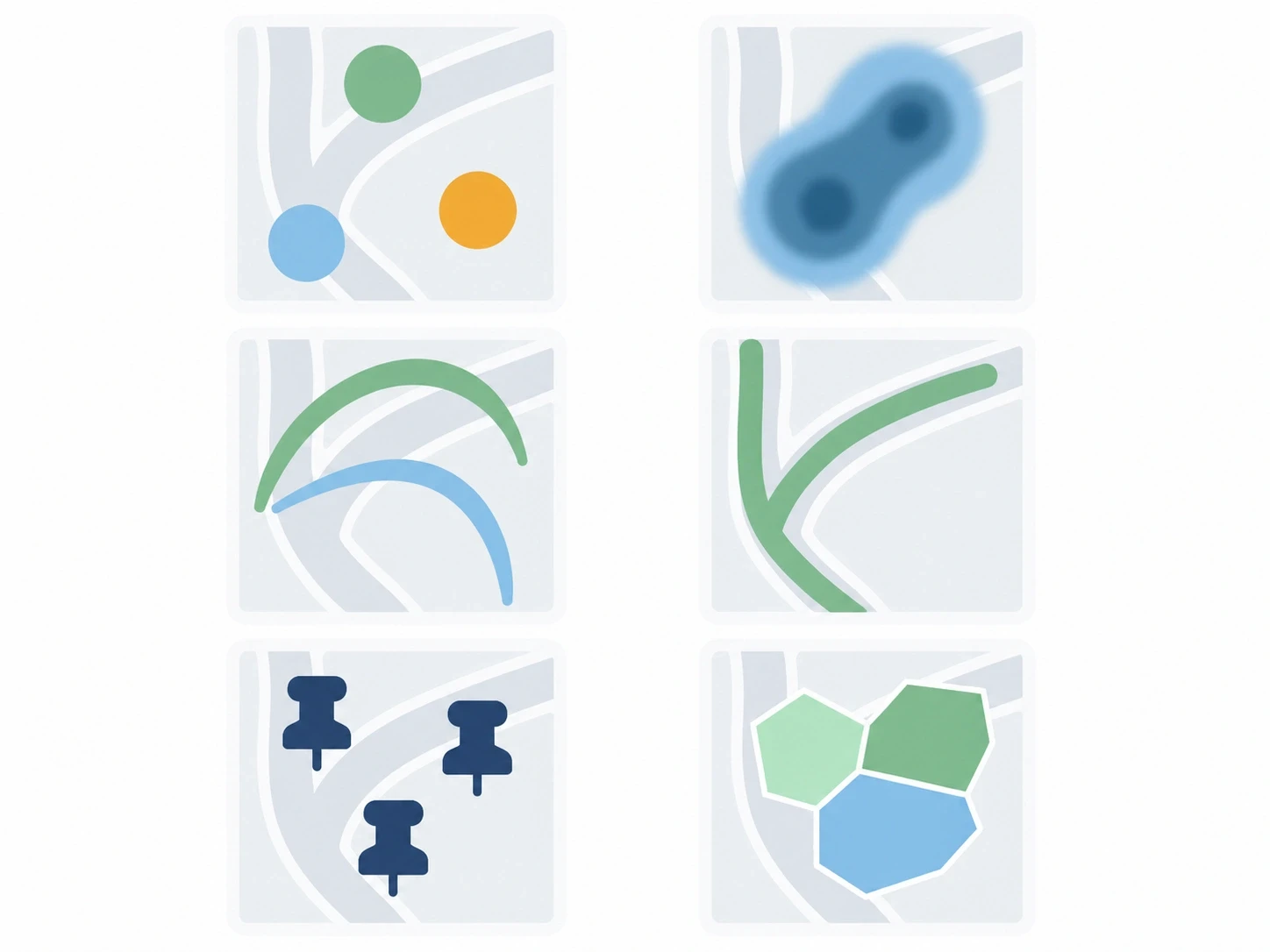
line

point

heatmap

bow

Organise multi-source data

Set up suitable analysis layers

Cross-reference flows and business metrics

Structure

Visualise

Explore

Measure

Structure

Structuring territorial data

Identify the key variables, select the relevant sources and build a reliable, actionable foundation

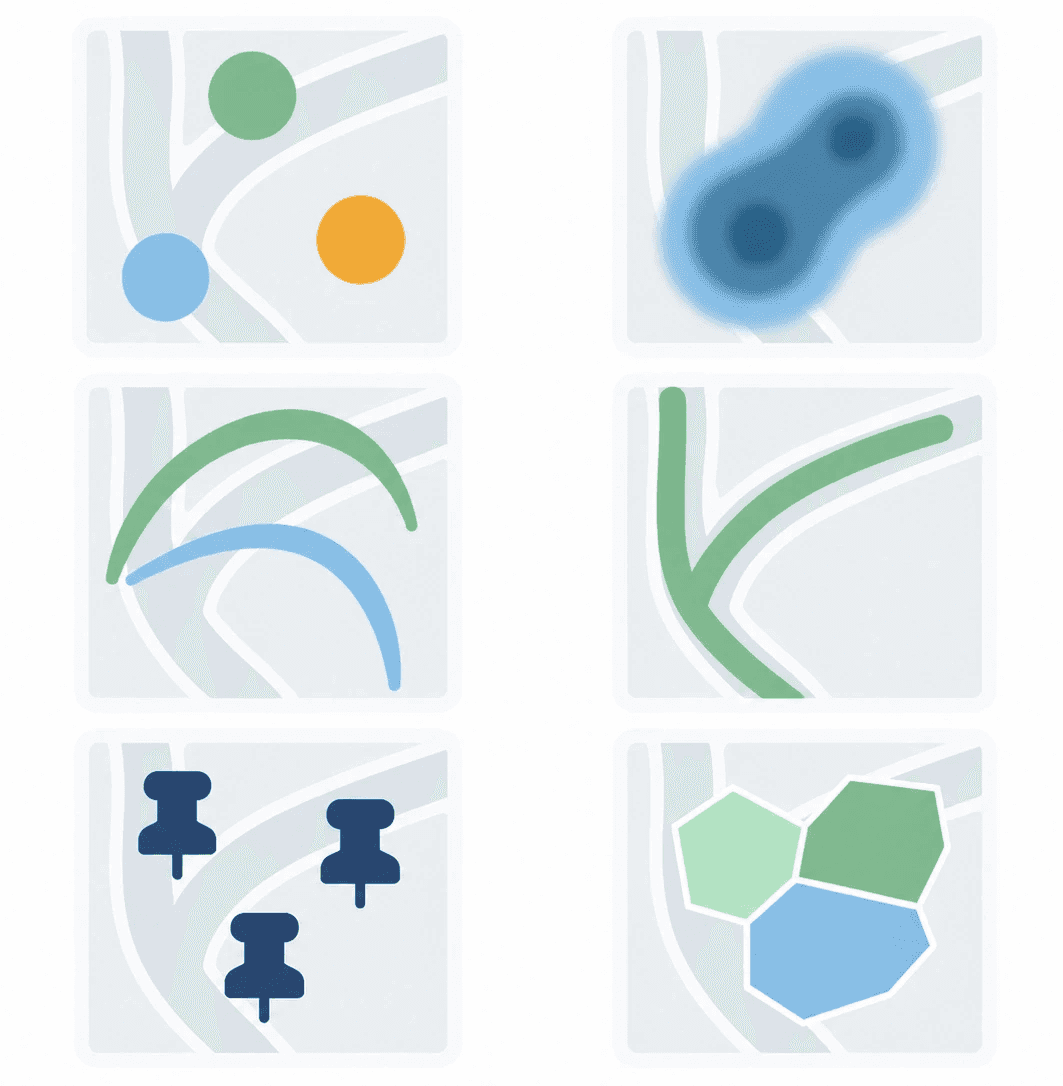
line

point

heat map

arc

Organise multi-source data

Configure suitable analysis layers

Cross-reference data flows and business indicators

Do you want to see the platform in action on your data?

Do you want to see the platform in action on your data?