
Dynamic mobility observatory
Dynamic mobility observatory
A complete view of mobility, whatever the sensor
A complete view of mobility, whatever the sensor
Connect all the sources,
without losing any
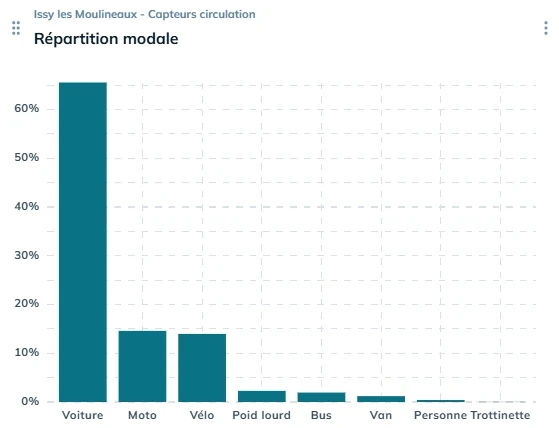
Counting loops, cameras, Bluetooth, Wi-Fi, FCD, ticketing data, manual counts.
Each source covers a specific area, with its biases and blind spots.
Taken in isolation, they each tell part of the story.
Combined intelligently, they provide a reliable picture of what is really happening across a territory.
Counting loops, cameras, Bluetooth,
Wi-Fi, FCD, ticketing data,
manual counts.
Each source covers a scope,
with its biases and blind spots.
Taken individually, they each tell
part of the story.
Combined intelligently, they provide
a reliable picture of what is really happening across a territory.
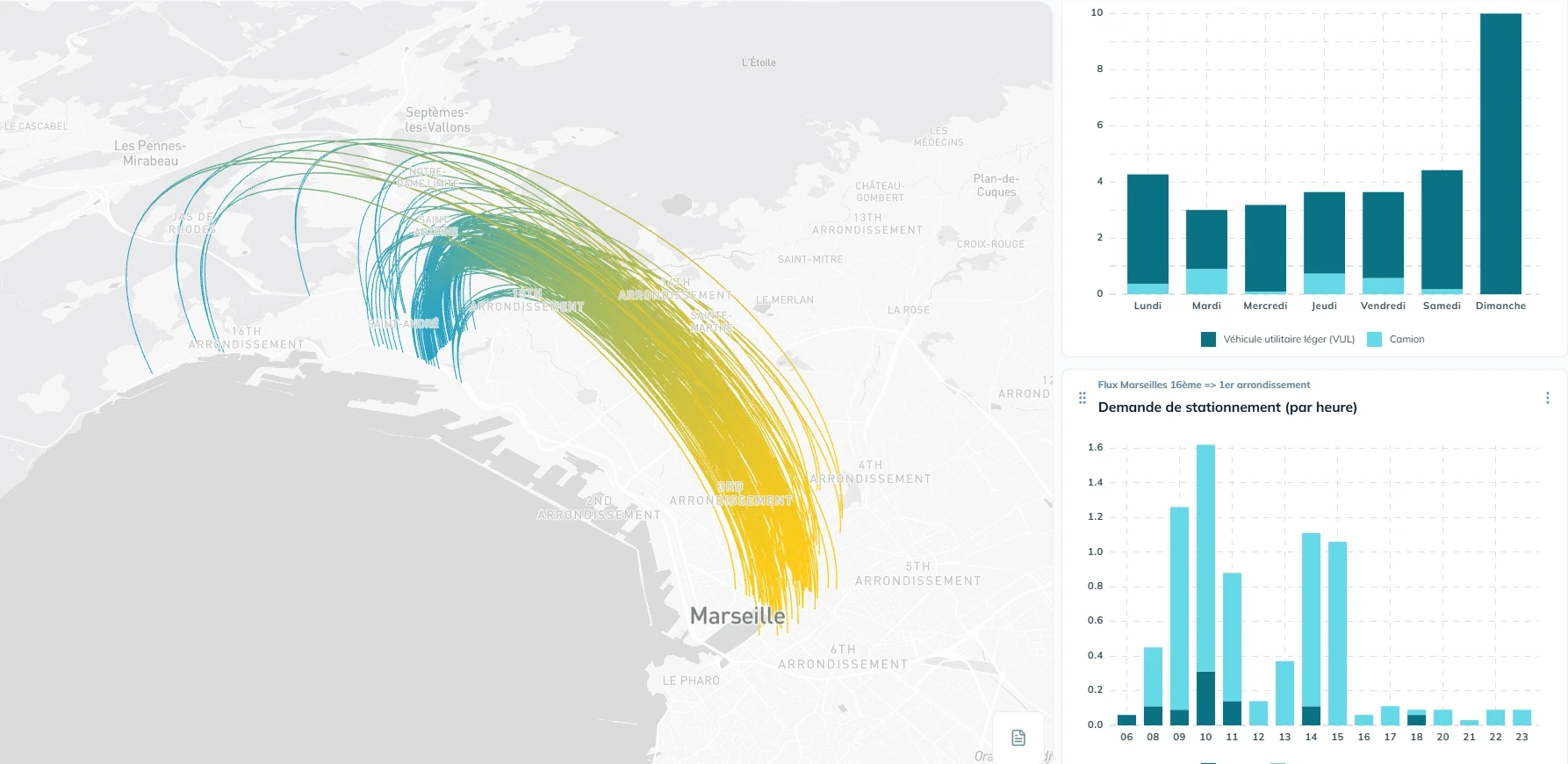
Urban Radar integrates data streams from heterogeneous sensors, whether fixed (loops, cameras, radars) or mobile (FCD, GPS traces, operator data).
Each source is normalised, geolocated and time-stamped in a common reference system.
The client preserves the value of every past investment in sensors while filling the gaps
with complementary sources.
Urban Radar integrates data streams
from heterogeneous sensors, whether fixed (loops, cameras, radars) or mobile (FCD, GPS traces, operator data).
Each source is standardised, geo-located
and time-stamped in a common repository.
The client retains the value of every past investment in sensors
while filling gaps with
complementary sources.
Urban Radar integrates data streams from heterogeneous sensors, whether fixed (loops, cameras, radars) or mobile (FCD, GPS traces, operator data).
Each source is standardised, geolocated and time-stamped
in a common reference system.
The client retains the value of every past investment in sensors
while filling the gaps with complementary sources.
Reconcile the data to make the measurement more reliable
Different sensors do not measure the same thing, nor in the same way.
The platform applies fusion and alignment methods that correct the biases specific to each technology.
The result: consolidated indicators, comparable over time and in space,
even when the sources change or disappear.
Different sensors do not count the same things, nor in the same way.
The platform applies fusion and alignment methods that correct
the biases specific to each technology.
The result: consolidated indicators, comparable over time
and in space, even when sources change or disappear.
Make the most of what already exists, prioritise future investments
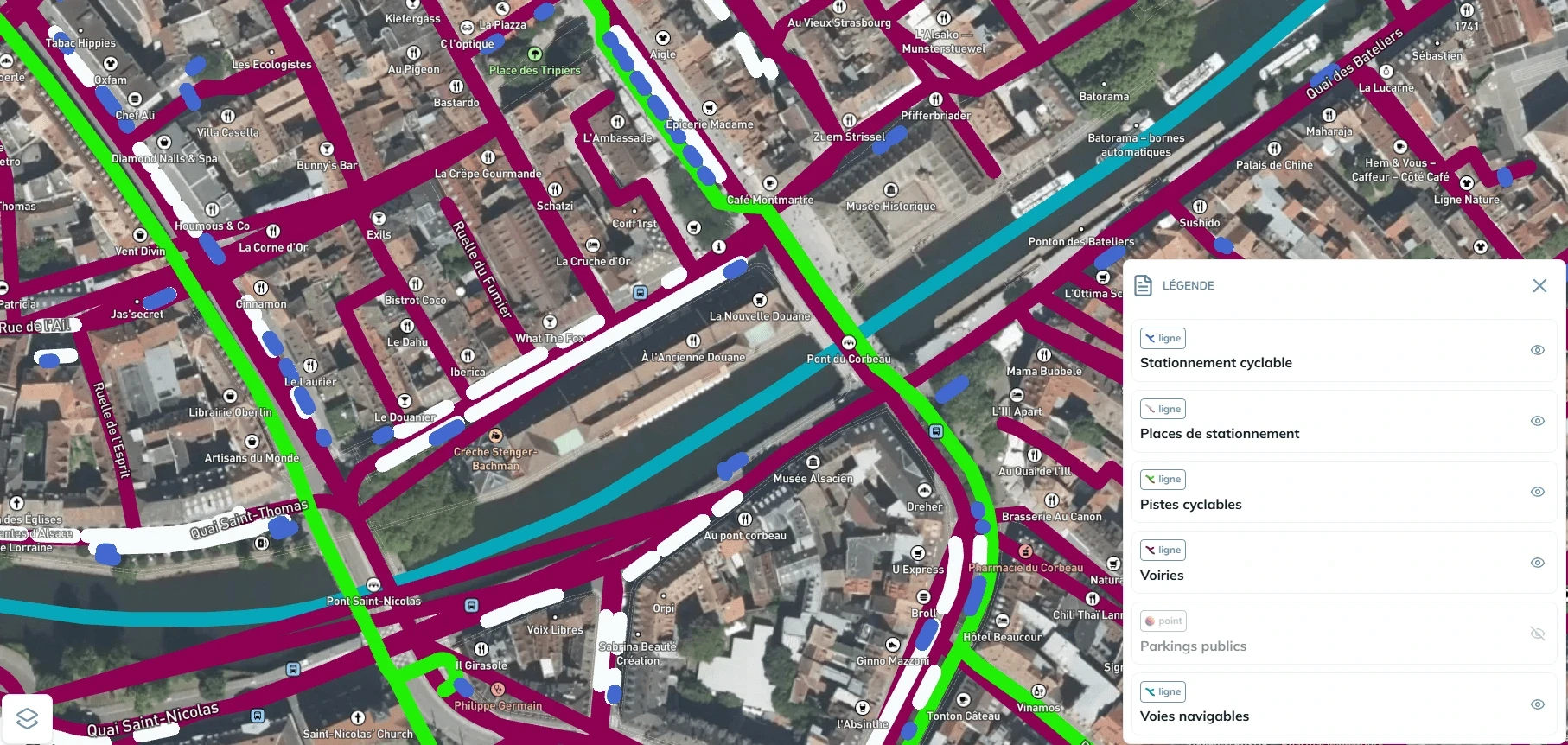
By mapping the actual coverage of each source across the territory, Urban Radar identifies well-covered areas, unnecessary redundancies and critical blind spots.
This makes it possible to justify investments in new sensors where they genuinely add value,
and avoid buying again what existing data already covers.
By mapping the actual coverage of each source across the territory, Urban Radar identifies
well-covered areas, unnecessary redundancies and critical blind spots.
This makes it possible to justify investment in new sensors where they genuinely add value,
and to avoid repurchasing what existing data already covers.
By mapping the actual coverage of each source across the territory,
Urban Radar identifies well-covered areas, unnecessary redundancies
and critical blind spots.
This makes it possible to justify investment in new sensors where
they genuinely add value, and to avoid buying again what existing data already covers.