
Setting up without knowing the flows is a gamble
Where should an urban logistics space, a consolidation centre, a collection point or a shop be located?
What our data makes visible
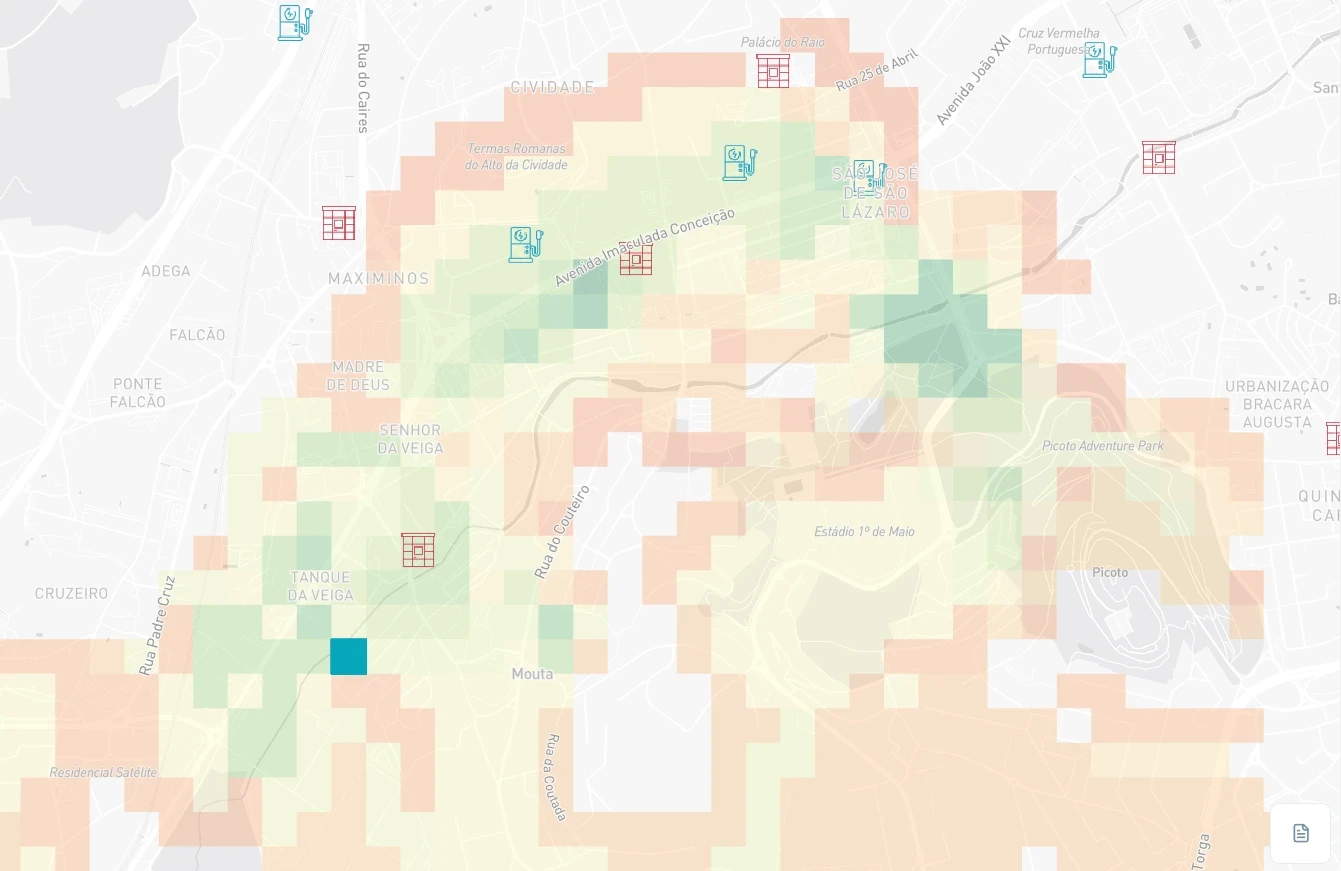
Converging flows of commercial and private vehicles
towards a given area, by volume and by origin
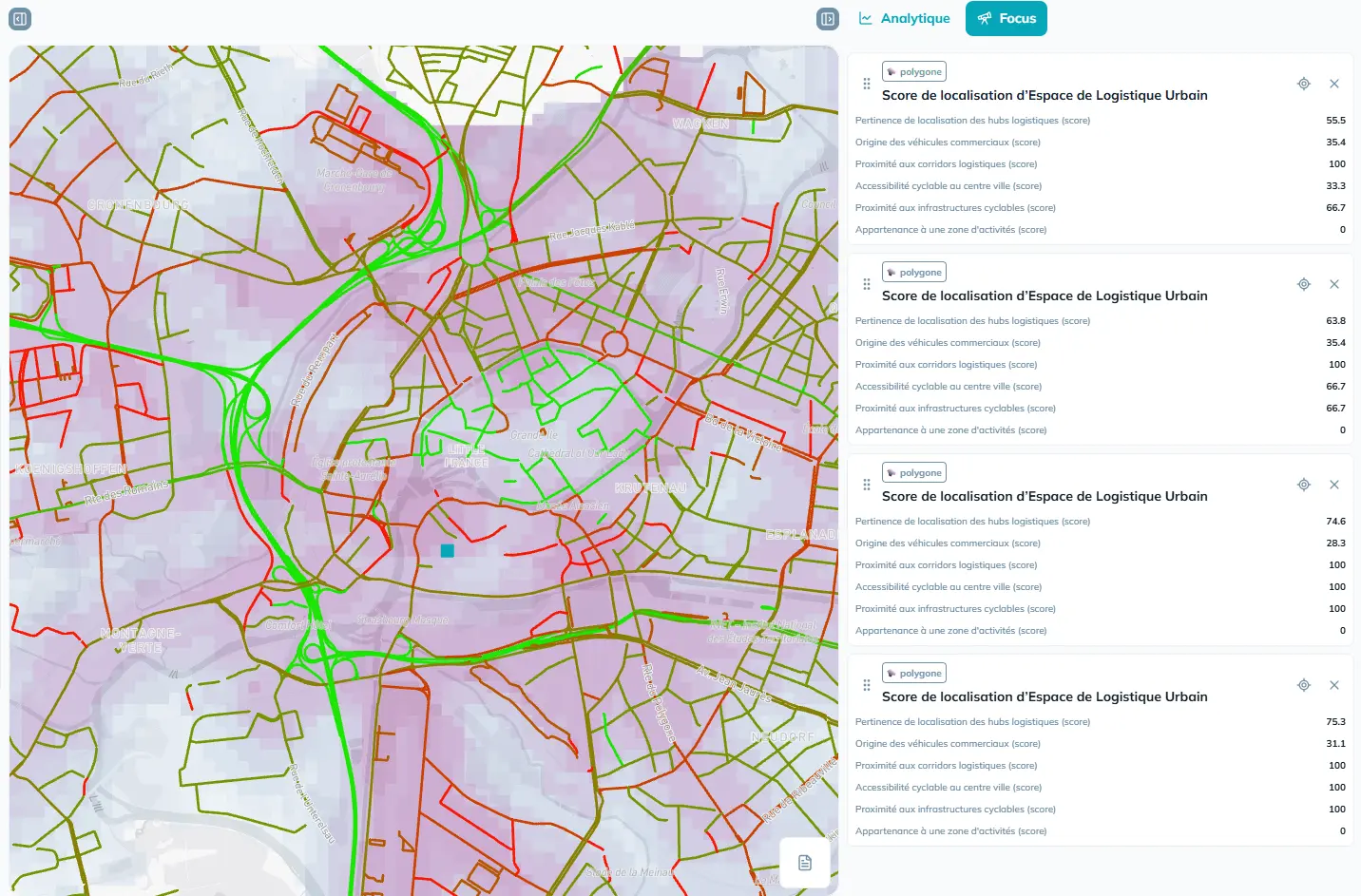
Actual accessibility of the site via the identified transport routes
Density of economic activity and delivery points within the service area
Viable footfall flows
for a commercial location
Cross-referencing land and socio-demographic data
to identify locations where supply meets demand
Identifying the best locations based on accessibility
What you actually do with it
Compare several candidate locations based on objective traffic flow and accessibility criteria
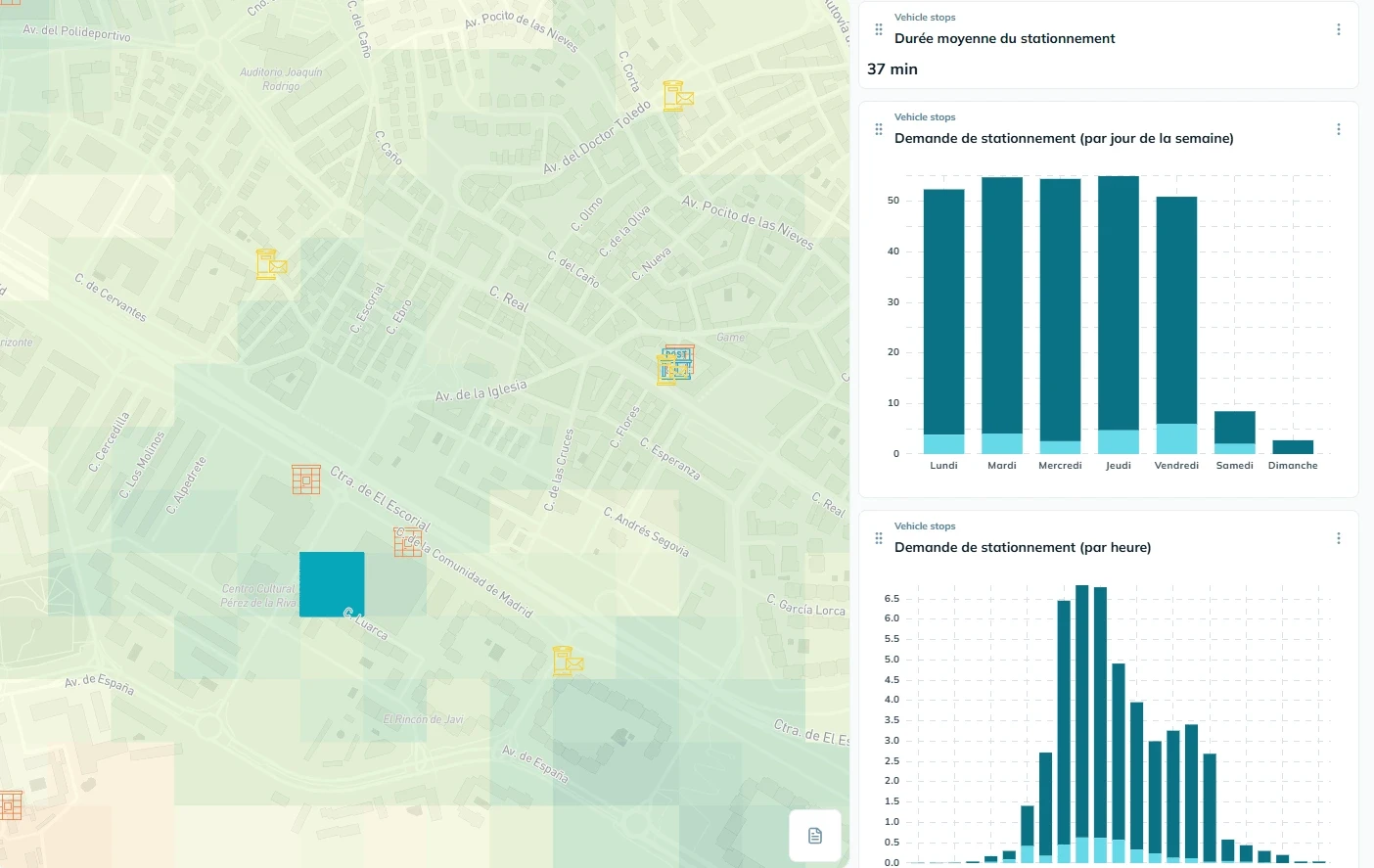
Size a hub’s capacity according to the actual volumes passing through the area
Validate the potential of a commercial location using real footfall, not a theoretical isochrone
Convince funders, elected representatives or an investment committee with a verifiable cash flow analysis
Anticipate the impact of the development on neighbourhood traffic flows and surrounding roads