
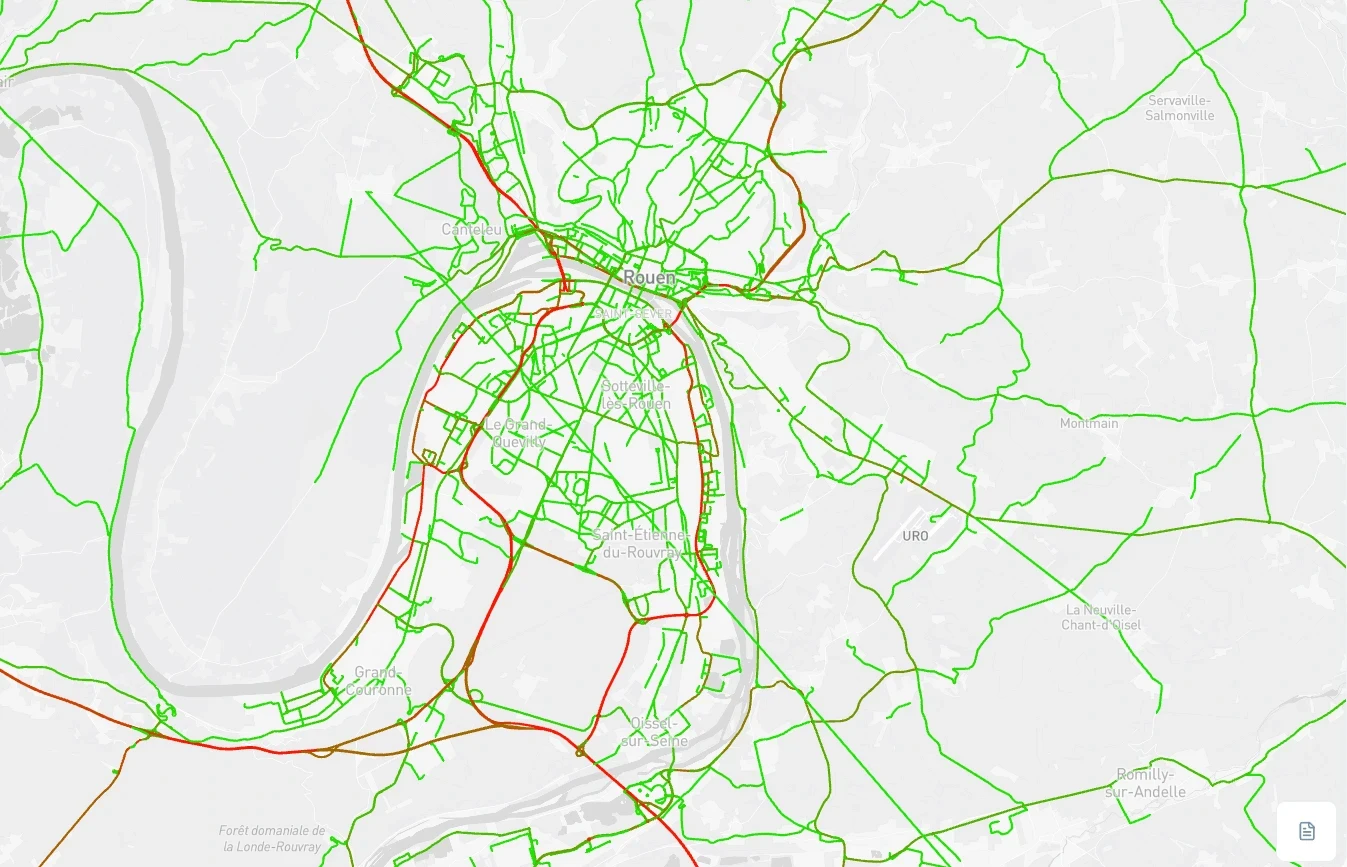
Structuring axes that no one measures
Which routes carry the long-distance transit?
Which ones serve local traffic?
What share of the traffic is merely passing through?
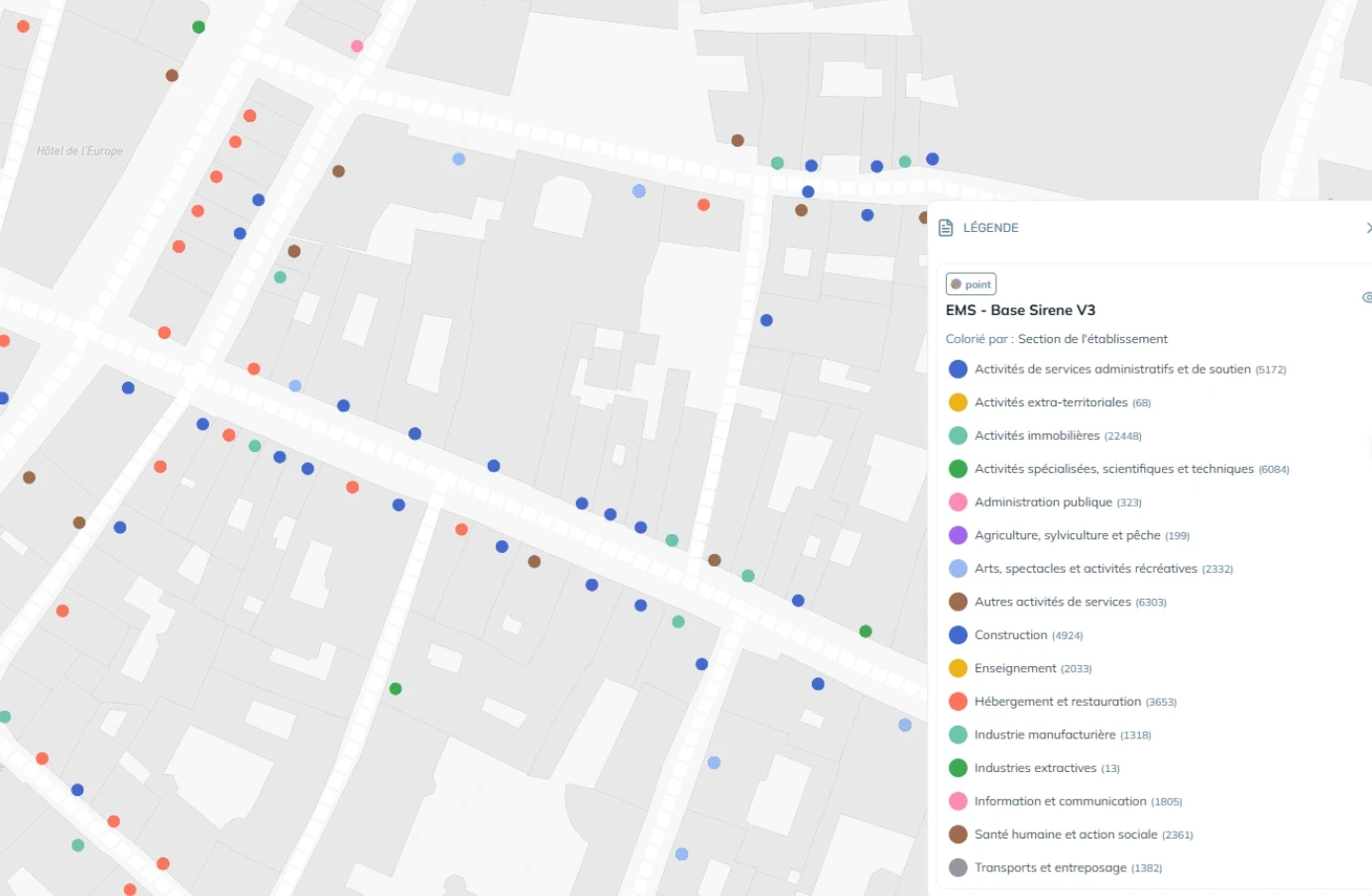
What our data makes visible
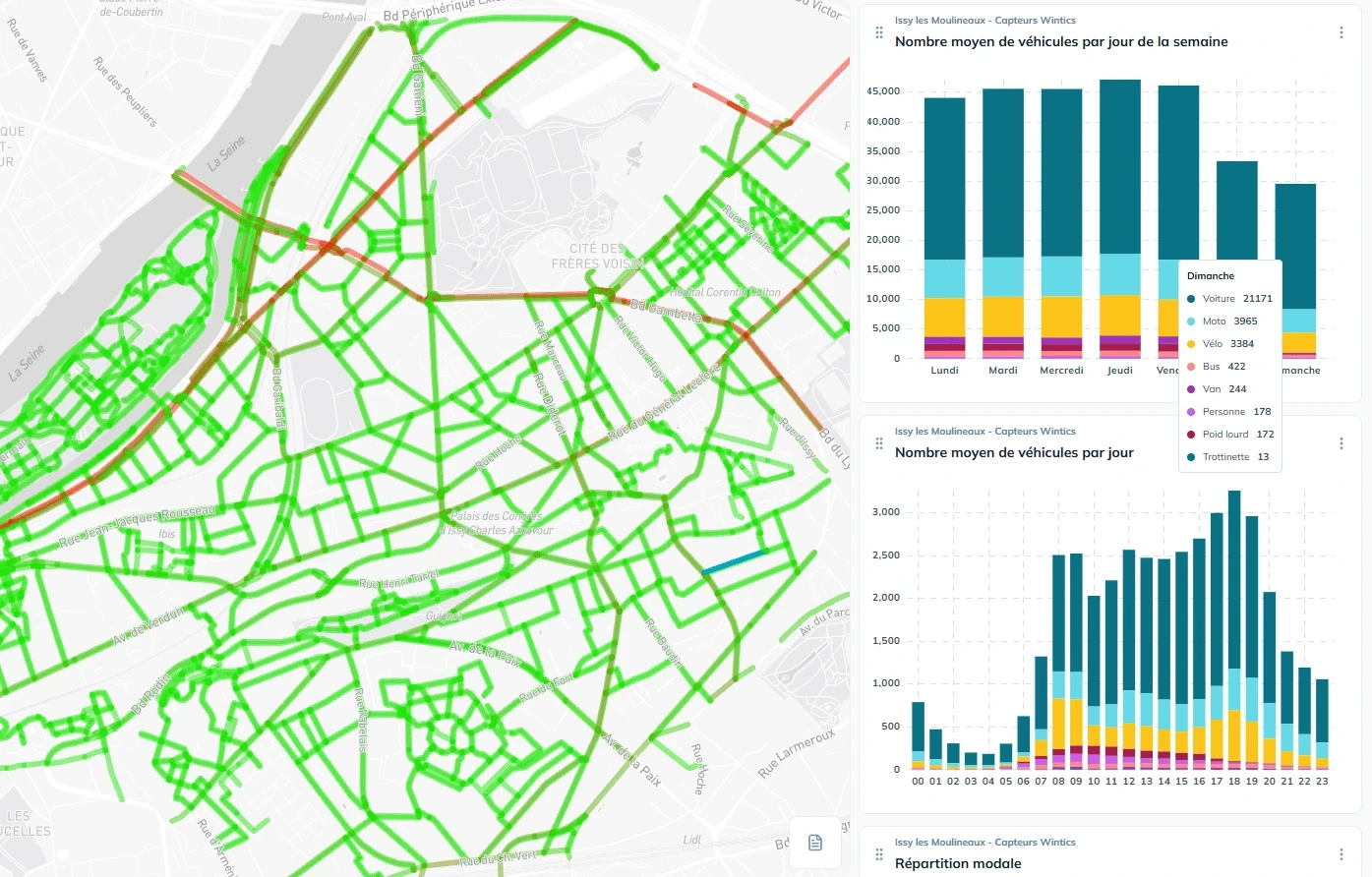
Transit volumes by route and vehicle type
Distinction between local traffic and through traffic
Identification of the most heavily used corridors
by time slot and by season
Seasonal variations and long-term trends
Cross-referencing with economic activity, land and infrastructure data
to understand what generates the flows and where the bottlenecks are
What you actually do with it
Prioritise maintenance or improvement investments on the busiest routes
Assess the actual accessibility of a site before setting up a commercial or logistics facility
Anticipate the impact of roadworks or a diversion on diverted traffic flows
Ground the debate on the role of heavy goods vehicle through traffic in a town crossing
Size a catchment area based on real flows, not theoretical isochrones
Inform a territorial climate-air-energy plan (PCAET) or a mobility plan with verifiable corridor data