EN

EN

EN

Accident trends and friction points

Accident trends and friction points

Identify conflict points between road users and vehicle flows so action can be taken before accidents happen

Identify conflict points between road users and vehicle flows so action can be taken before accidents happen

Problem areas only become apparent after the fact, while friction points can be detected
in advance
Traditional accident analysis works from the historical record: past accidents are located,
dangerous areas are inferred from them

Traditional accident analysis works from the historical record: past accidents are located, dangerous areas are inferred from them

mobility - vehicle flows

The problem is that you have to wait for accidents before taking action.

Flow data make it possible to identify the tensions between commercial vehicles, cars and vulnerable road users before they turn into claims.

For a local authority, that's prevention. For an insurer or fleet manager, that's risk reduction.

The problem is that you have to wait for accidents before taking action.

Flow data make it possible to identify the tensions between commercial vehicles, cars and vulnerable road users before they turn into claims.

For a local authority, that's prevention. For an insurer or fleet manager, that's risk reduction.

The problem is that you have to wait for accidents before acting.

Traffic data makes it possible to identify tensions between commercial vehicles,
cars and vulnerable road users before they turn into claims.

For a local authority, that’s prevention. For an insurer or fleet manager, that’s risk reduction.

What our data makes visible

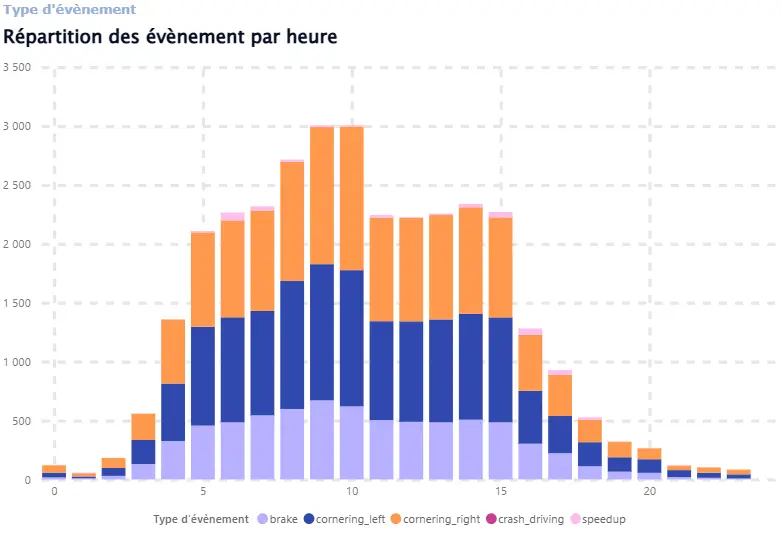
Distribution of events by hour - accidents

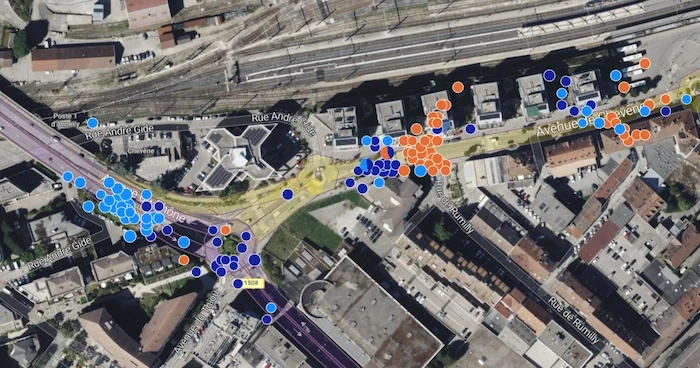
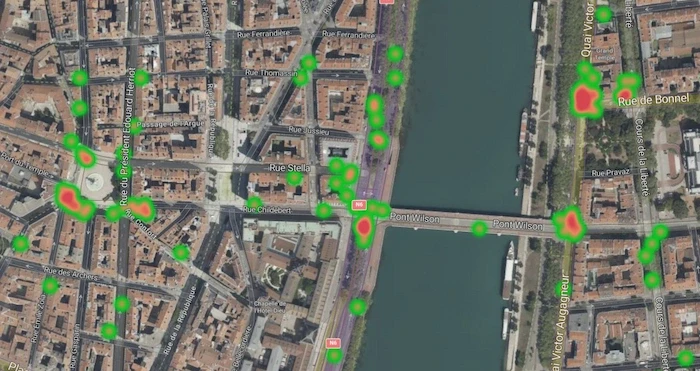
Zones of convergence between heavy flows and soft mobility

Areas where commercial speeds and volumes create friction

Unplanned stopping points that create risky manoeuvres

Cross-referencing traffic flow data and road geometry
to identify hazardous configurations

What you actually do with it

Prioritise safety improvements in the areas with the highest measured friction.

Adjust a traffic plan to separate incompatible flows

Inform a road safety assessment with up-to-date traffic flow data, not just accident history

Assess the risk exposure of a fleet on identified routes

Compare the before and after of a safety improvement

Achievements

Target users

Local authorities
Logistics and transport
Insurance and risk management
Design offices

Do you want to identify your friction points before the accident?

Do you want to see what your feeds
reveal?